15.10.2026
Epiphany #4: You Can't Scale Cecilia. But You Can Scale What She Built.
15.10.2026
I recently watched a fascinating interview with Tony Carne by Mitch Bach and I highly recommend watching it. One story in particular got me thinking — the one Tony tells at 9:09 about a Venetian woman named Cecilia and her remarkable bacari tours.
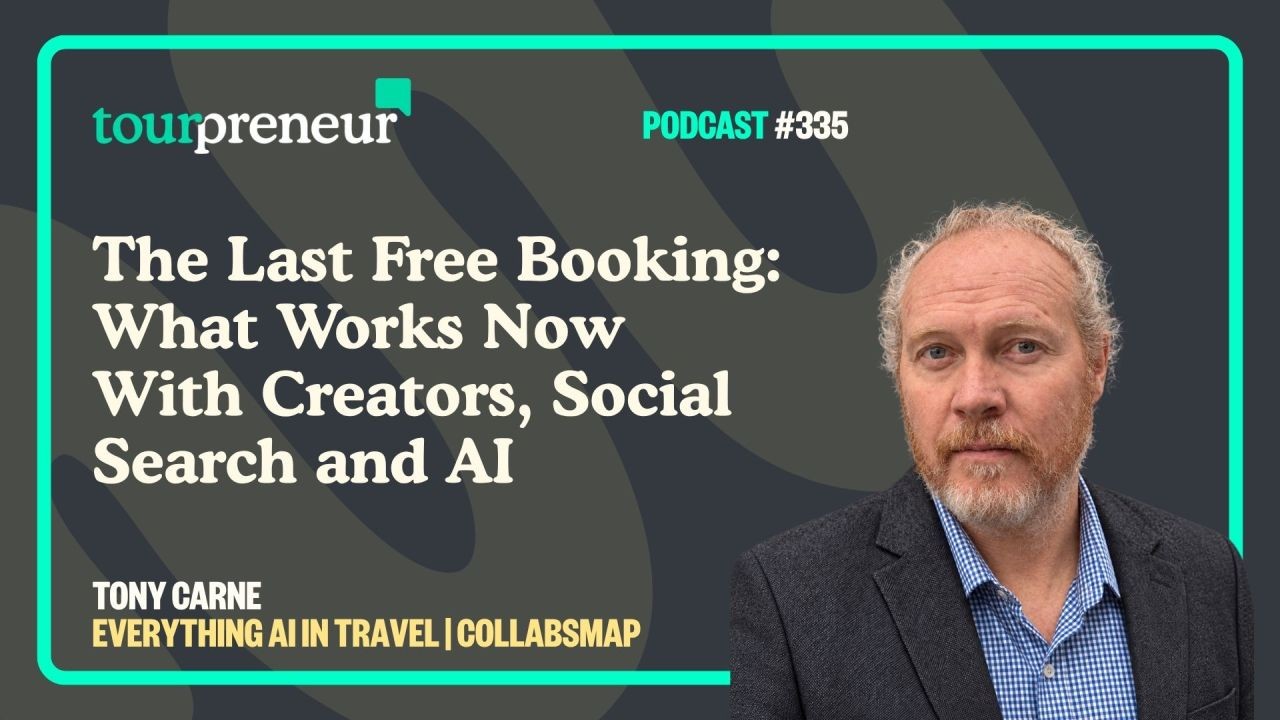
Image by @tourpreneur
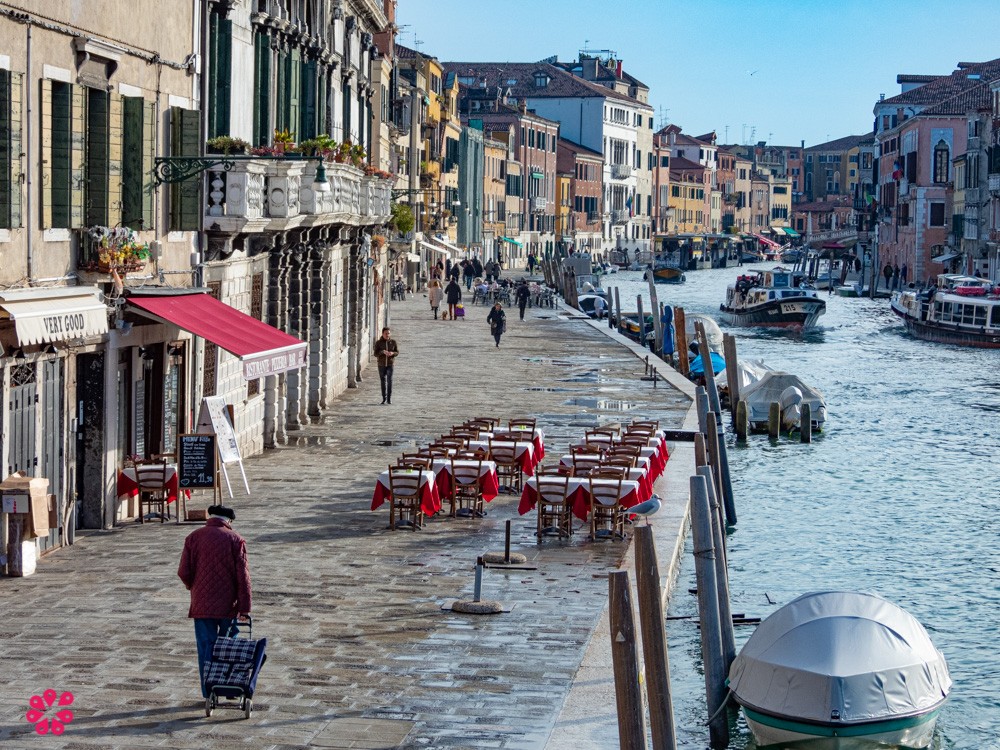
Cecilia runs a small-group food tour through Venice's traditional bacari — tiny neighborhood bars where locals stop for a glass of wine and some cicchetti, the delicious little snacks that are practically a local religion.
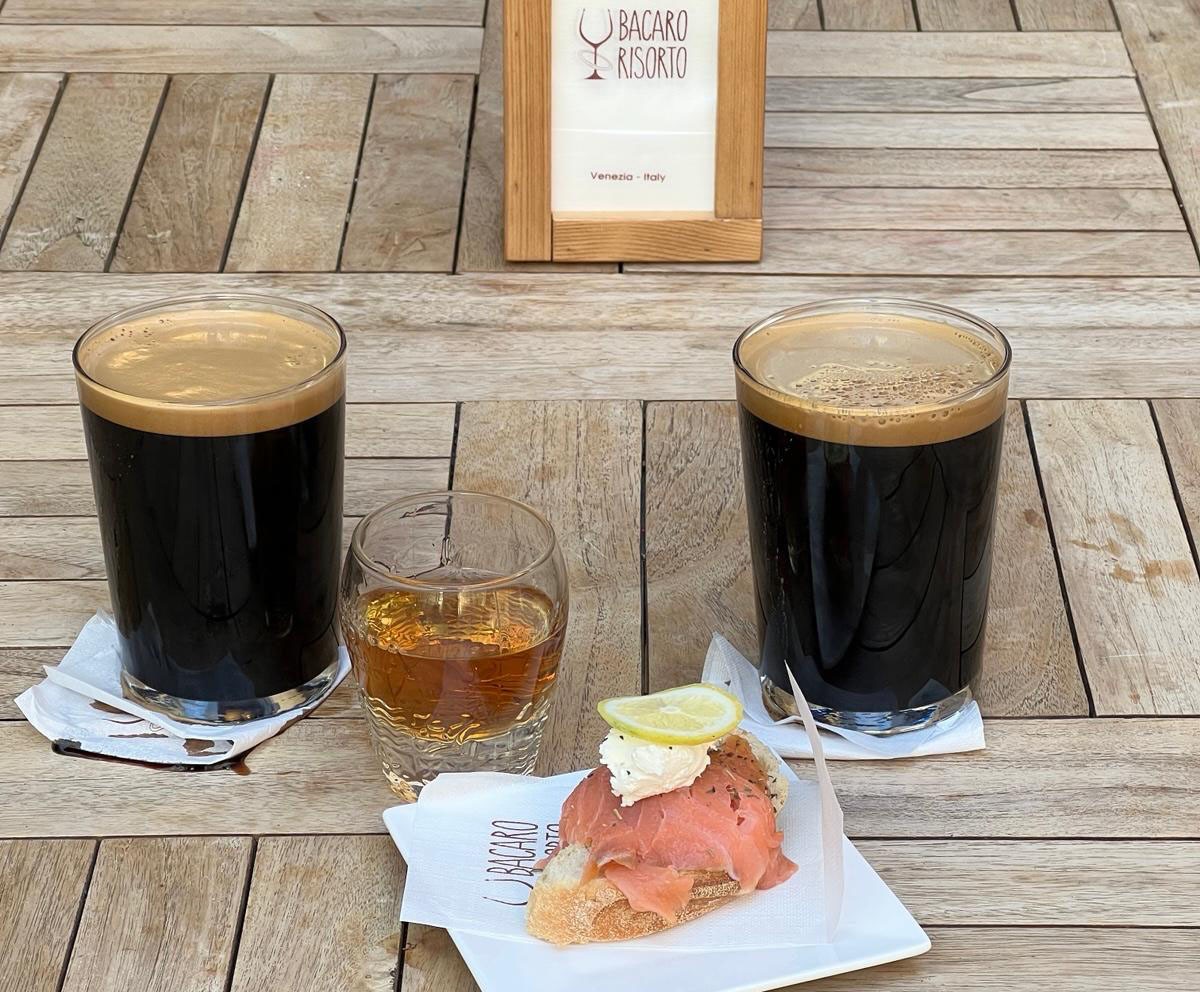
Photo by Andrey Matveev
Her tours are extraordinary because she knows the people behind the counters. These are her friends, people she's built relationships with over the years. When Cecilia walks into a bacaro with her guests, the owners greet her with hugs, kisses, and genuine warmth. Tourists feel like welcome visitors rather than customers.
Tony makes an interesting observation: Cecilia's product essentially consists of two things — her personal charm and her personal relationships with the bacari owners. Both are unique, both are valuable, and neither can easily be replicated.
Tony concludes that experiences like this can't scale. Cecilia can't personally welcome three groups in three different places at once.
And this is where, with all due respect to Tony, I think he's missing something.
Why scale Cecilia herself? Why not scale the value of the relationships she's built?
We can't multiply Cecilia — at least not yet. Let's see what AI manages over the next few years.
But the value of her relationships with the bacari owners? That we absolutely can multiply. In fact, we can digitize the entire business model built around those relationships and make it available to as many customers as the participating bars can accommodate.
Let's let Cecilia stay home.
Imagine Cecilia puts her original bacari tour on DGtalguide : the same carefully selected bars, route, stories, food and wine, and, most importantly, the same agreements with the owners.
But instead of personally guiding twelve tourists through Venice, she sells the experience online. Customers choose when to start. DGtalguide handles navigation, bookings and timing, while only the most valuable parts of Cecilia's stories are delivered through short texts, audio, or video.
I've learned from experience that tourists rarely stop in the middle of a street to watch a long video or read a lengthy explanation — even if Anthony Bourdain himself created it. A great guide can hold their attention in ways technology still can't — and probably won't for quite some time.
But thanks to AI, Cecilia can make those carefully selected stories available in virtually any language in the world.
But here's the crucial part.
DGtalguide doesn't just provide navigation. It also coordinates reservations with participating bacari, including arrival times, food and drink orders, and payments.
So when tourists walk in, they're not strangers off the street — they're Cecilia's customers, expected by an owner who already knows what they've ordered and how to welcome them.
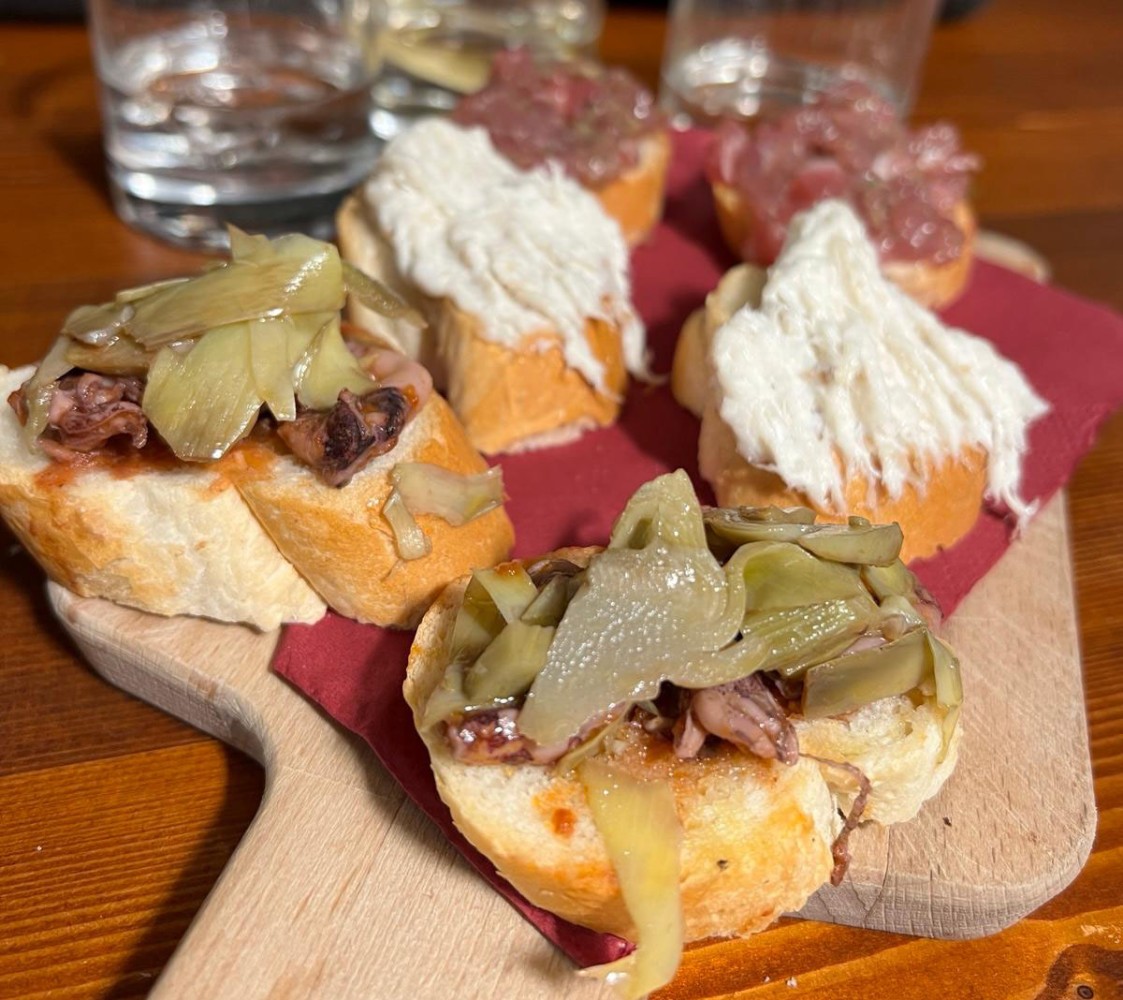
Cicchetti. Photo by Andrey Matveev
The tourists don't get to hug Cecilia. That's true. But they still get access to the little world she's created.
And for many people, myself included, that might actually be a better experience.
Let's look at what everyone gets out of this arrangement.
What does Cecilia get?
First of all, freedom. She no longer needs to assemble groups, coordinate schedules, call bar owners, or walk the same route day after day. She can still offer personally guided tours as a premium experience, but now she has another product to sell — one that doesn't require her physical presence.
At 11 AM, one couple starts a tour through Cannaregio. At 2 PM, another group explores Dorsoduro. In the evening, three friends head out for a bacari crawl around San Polo.
All three tours generate revenue for Cecilia while she might be enjoying her own Spritz Select somewhere else. She's no longer just selling her time — she's selling the value of something she's already created.
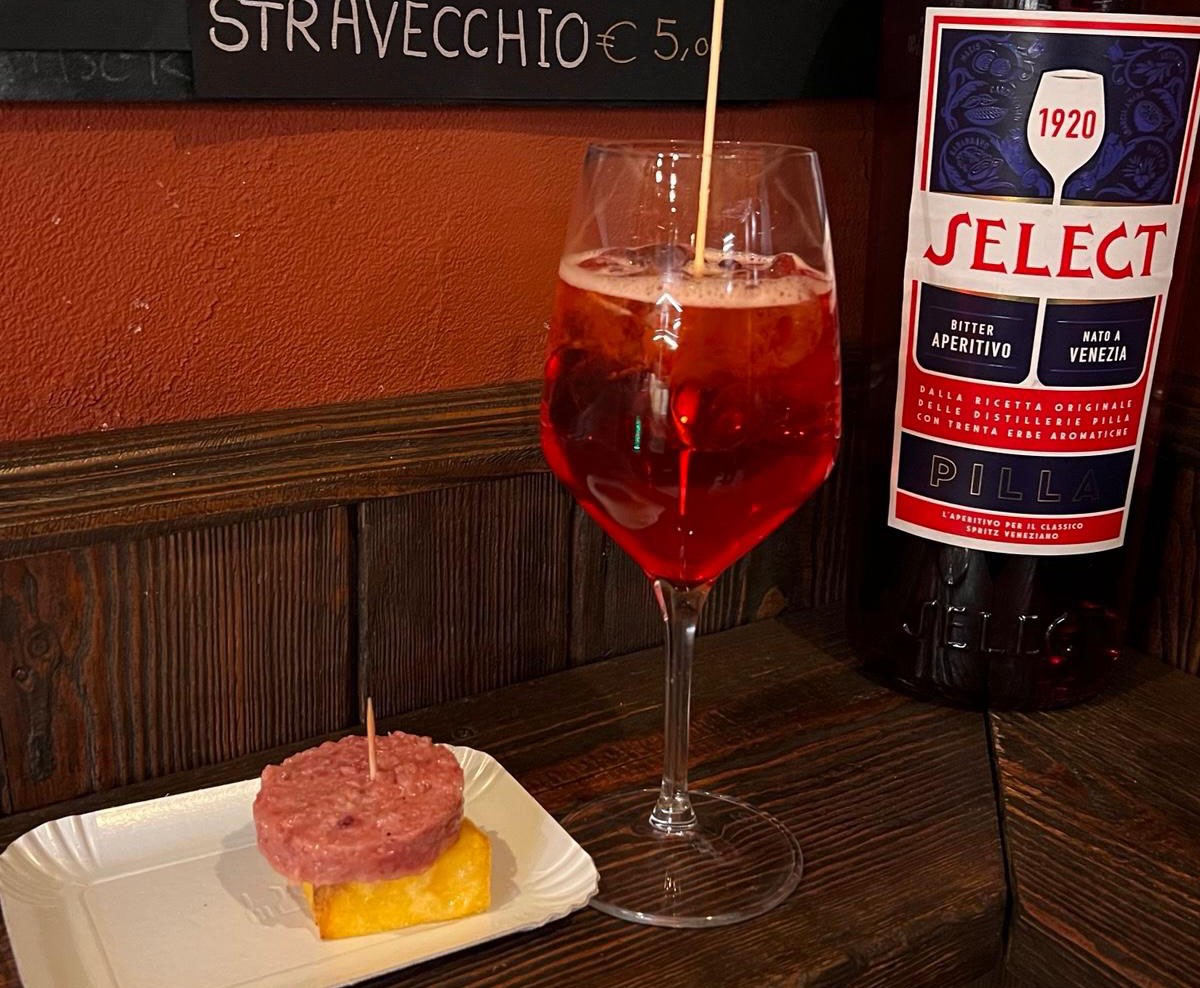
Cicchetti and Spritz Select. Photo by Andrey Matveev
What do the bacari owners get?
This is where things become particularly interesting.
I've witnessed plenty of guided bacari tours in Venice, and I can tell you that the sudden arrival of twelve loud, cheerful Texans, led by an enthusiastic guide, doesn't always bring a smile to the owner's face. Especially when the bar is already full of regular customers.
With DGtalguide, every bacaro can have its own capacity for each time slot. If the owner is willing to accept four tour customers between 12:00 and 12:30, the system won't sell a fifth visit for that slot.
No unexpected invasions, no crowds overwhelming the counter, no need to sacrifice regular customers for the sake of a tour group.
And we can go further.
The owner can know in advance not just how many people are coming, but exactly which cicchetti they've ordered and how many glasses of wine or Spritz they'll need.
Everything can be prepared ahead of time. Everything can even be prepaid.
I suspect quite a few Venetian bar owners would appreciate that.
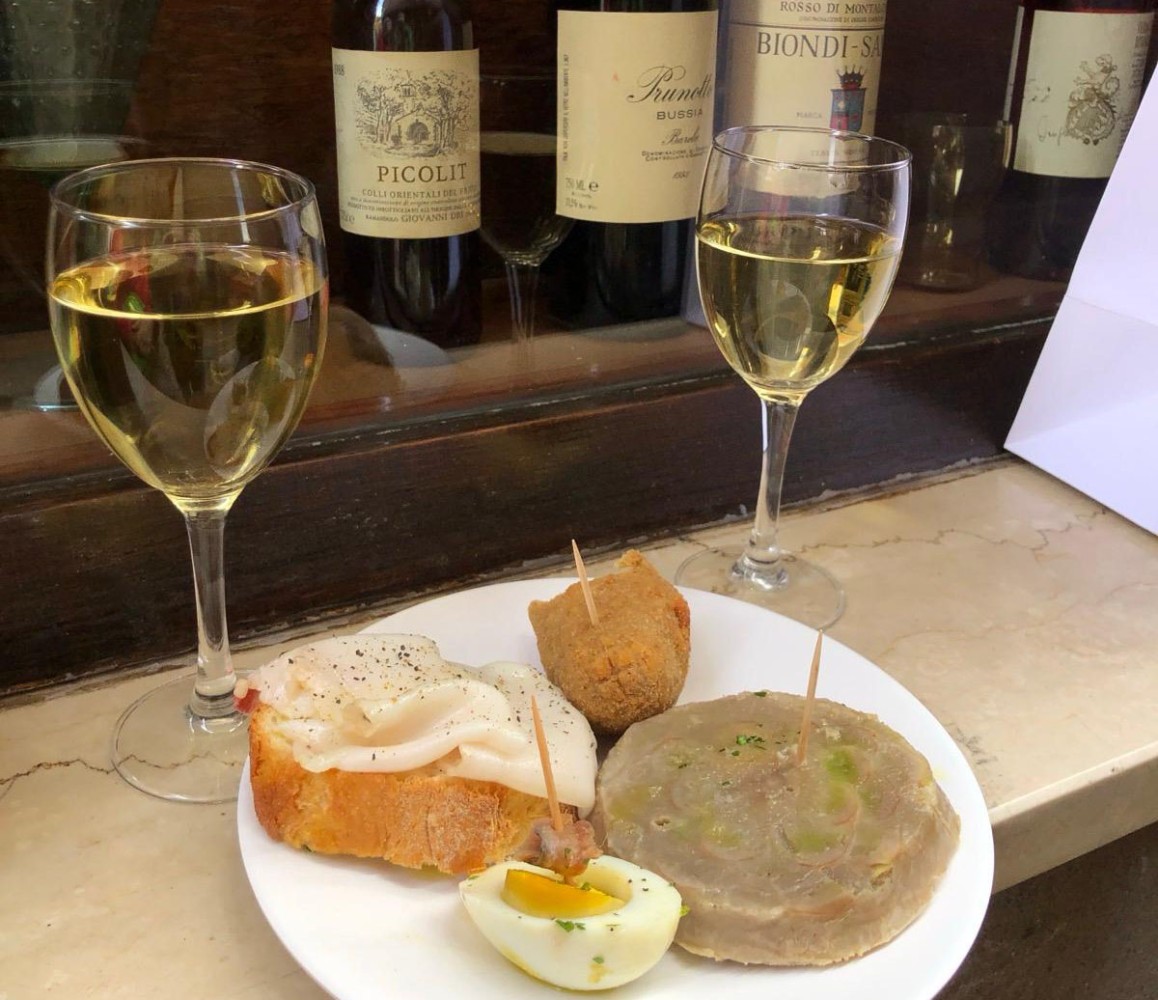
Cicchetti. Photo by Andrey Matveev
What do the tourists get?
Choice, for starters. Tourists can choose their route and start whenever the participating bars have availability. And they can stop along the way for as many selfies as they like, without worrying that their guide and the rest of the group will disappear into Venice's maze of narrow alleyways.
They also get privacy. Not everyone wants to spend three hours following a stranger with an umbrella, surrounded by eleven other strangers. Some of us would rather explore Venice with our partner or friends.
And without a guide accompanying every group, the price can be considerably lower.
Customers can order their drinks, baccalà mantecato, and beef polpette in advance — exactly as Cecilia recommends. The owner already has their order, so language is hardly a barrier.
A smile, a friendly gesture, a glass of wine handed across the counter — sometimes that's all the communication you need.
And isn't that precisely the kind of authentic local experience tourists are looking for?
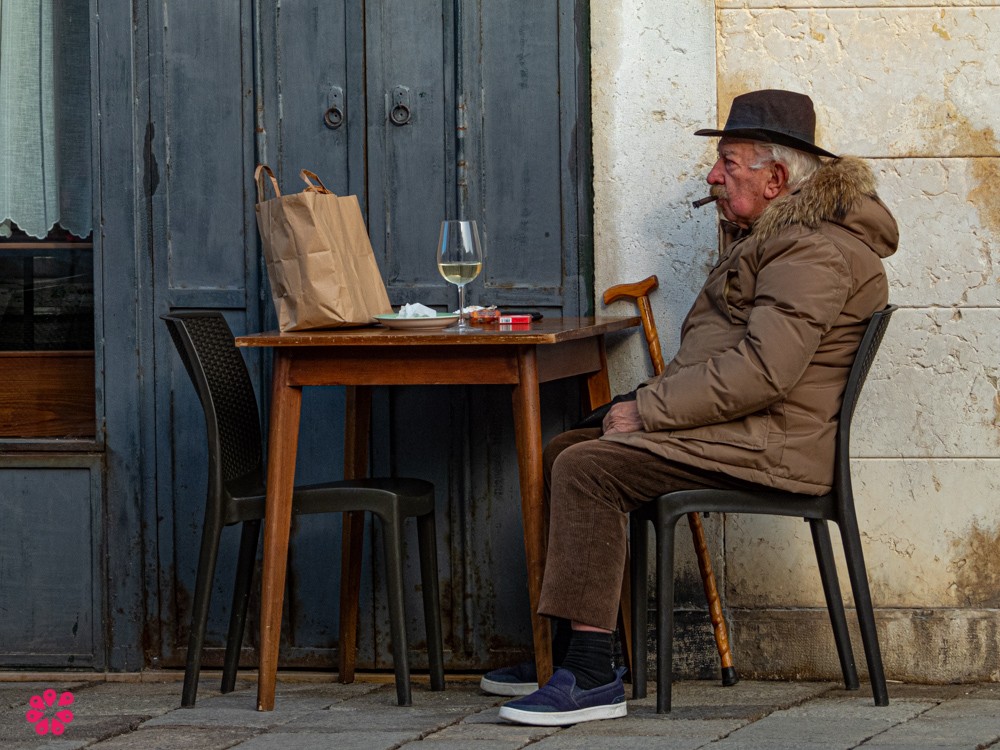
Local bar in Venice. Photo by Andrey Matveev
And what does Venice get?
A practical way to manage tourism instead of simply suffering from it.
Venice has struggled with overtourism for years, yet much of the industry still follows the same formula: pack tourists into the same places at the same time and hope the locals don't complain too much.
What if we reversed that logic? Instead of sending another group of twelve marching through overcrowded streets, we could offer routes through less-visited neighborhoods and spread arrivals across different time slots, respecting the capacity limits set by each bacaro. That could also bring more business to local establishments beyond the usual tourist hotspots around San Marco and Rialto.
Of course, an app won't solve Venice's overtourism problem or magically increase the city's capacity. But it can help manage visitor flows more intelligently, while letting local businesses decide how many tourists they're willing to welcome and when.
So, can authentic experiences really scale?
Tony is absolutely right: an app can't reproduce Cecilia's personality, the warmth of her friendships, or those spontaneous moments that make her tour so special. Some of the magic would inevitably be lost.
But consider what would remain. Her knowledge. Her stories. Her carefully selected route. Her recommendations. Her agreements with local businesses. The food and wine. The access to places that tourists might never discover on their own.
And now consider what we'd gain. Freedom, affordability, multilingual content, predictable demand for local businesses, better distribution of tourist flows, and the ability for Cecilia to earn money from her expertise without personally accompanying every customer.
Most importantly, her relationships would continue to create value for everyone involved. Technology wouldn't replace the authentic experience — it would make the local knowledge and connections behind it accessible to more people.
Thousands of local experts around the world have spent decades building knowledge, trust, and relationships in their communities. Why shouldn't they continue earning from what they've built, even after they stop personally leading tours?
To me, that's a much more interesting question than whether AI will eventually replace tour guides.
Perhaps the problem isn't that authentic local experiences can't scale.
Perhaps we've simply been trying to scale the wrong part of them.